The Camp Recovery Center helps adults struggling with painkiller addiction find long-term recovery. Located near Scotts Valley & San Jose, CA, The Camp provides premier pain pill abuse rehabilitation.
Prescription Painkiller Addiction Rehab
Prescription Painkiller Addiction Rehab Near Santa Cruz & San Jose
When a person consumes prescription painkillers outside of the recommendations set forth by his or her doctor or abuses these medications for recreational purposes, there is a high likelihood that he or she will develop an addiction. If this abuse persists, a person will require higher or more potent dosages of these medications in order to achieve the desired effects. When this is the case, refraining from continued use of painkillers can be extremely difficult, as withdrawal symptoms and powerful cravings for these medications can make recovery and sobriety seem impossible. Fortunately, effective treatment can help those who are battling an addiction to prescription pain medications to achieve a life free from the constraints of chemical dependency.
At The Camp Recovery Center, we recognize how difficult overcoming an addiction to painkillers can be and have therefore created rehabilitation programming that is aimed at helping individuals learn the skills necessary for defeating their painkiller addiction and stepping forward into a transformed life with a renewed sense of confidence in their ability to be happy, healthy, and successful.
Helping a Loved One
Helping a Loved One or Family Member Enter Prescription Painkiller Abuse Rehab
When a person begins abusing prescription pain medications, it may not always be apparent to close friends and family members. Oftentimes, it is not until an individual is caught in the grips of a painkiller addiction to these types of medications that those closest to the person finally begin to realize that someone they care about is struggling with a substance abuse problem. Receiving treatment at a rehab center is important to recover from painkiller addiction. However, as a concerned friend or loved one, there are also some steps that you can take to help the person you are concerned about get the treatment that he or she needs:
- Learn about the signs and symptoms of painkiller abuse and the potential risks involved.
- Establish a safety plan with other friends or family members so that a plan of action is in place should your loved one experience life-threatening effects as a result of abusing painkillers.
- Talk with your loved one about his or her substance abuse problem. Be open to hearing what he or she has to say and encourage your loved one to seek treatment.
- Offer to help your loved one research treatment options that can meet his or her unique needs. Also, if your loved one is grappling with a mental illness at the same time, it is a good idea to consider treatment providers that provide care for mental health conditions as well.
Also, if your loved one requests that you accompany him or her to any scheduled tours or assessments, it would be a good idea to agree to go along, as this is a great way to show your support for your loved one during this difficult time.
Once your loved one has engaged in rehab, it would also be beneficial for you to seek your own support. Whether it be through a support group, individual counseling, or partaking in other self-care practices, it is important to also take care of yourself while your loved one works on his or her painkiller addiction recovery.
Why Consider Us?
Why Those Near Santa Cruz & San Jose Should Consider Prescription Painkiller Abuse Treatment at The Camp Recovery Center
There are many perils that can arise when a person becomes addicted to painkillers or prescription medication. Aside from the development of an addiction to these medications, the physical health risks involved, and the toll that is taken on the mental health of a person who misuses prescription drugs, there are other areas of an individual’s life that can be affected by an addiction to painkillers. When a person is battling a chemical dependency problem, it is all too common for things and responsibilities that were once important to fall to the wayside. One’s performance at school or work can decline and lead to academic failure or job loss. Increased interaction with the legal system could become a regular occurrence if the person abusing painkillers engages in illegal activity when under the influence of these substances or when in pursuit of more pain medications. Conflict with friends or family members could also become more frequent, especially when loved ones become aware of a person’s substance-abusing behaviors and convey their disapproval for this type of problem.
What is important to know, however, is that there are rehab options that can help people addicted to painkillers avoid the aforementioned detriments and improve their overall quality of life.
Types of Treatment
Types of Prescription Painkiller Abuse Treatment Offered at The Camp Recovery Center
Since opening our doors in 1984, The Camp Recovery Center has helped thousands of individuals break free from the grips of their addictions to painkillers, or prescription drugs. Remaining steadfast in our dedication to provide the highest quality chemical dependency rehab to those who are entrusted into care at our center, we embrace the values of integrity, responsibility, respect, accountability, and excellence in the treatment we provide for prescription pain medication abuse and addiction.
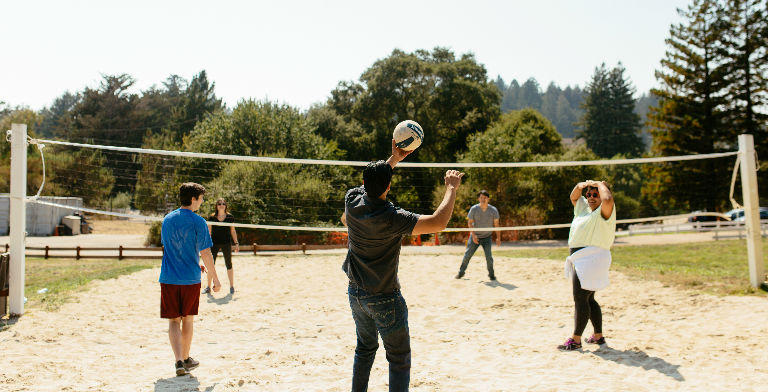
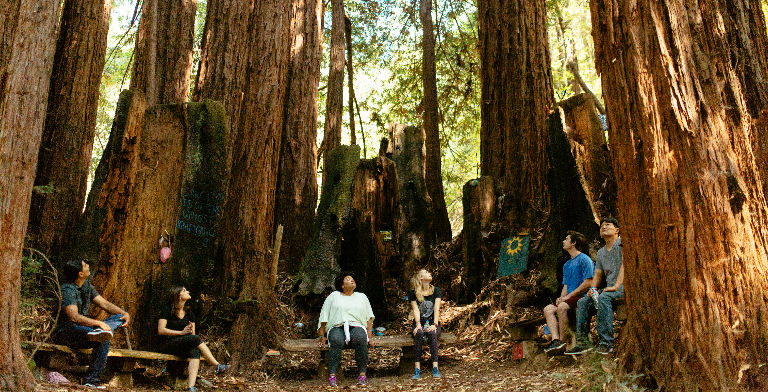
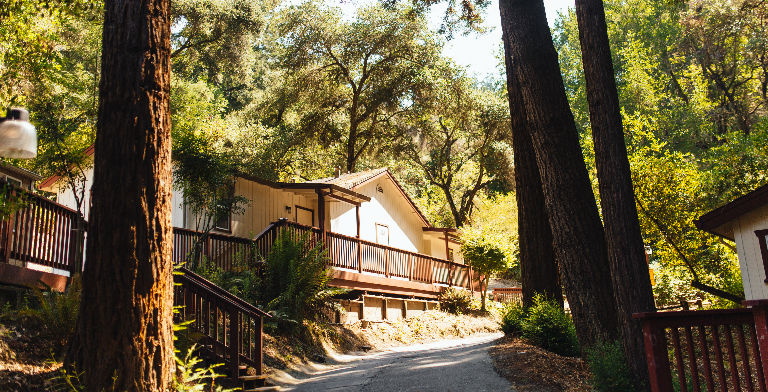
The Camp is staffed by an experienced and expert group of drug rehab professionals, nurses, addiction counselors, and family therapists. Surrounded by the serenity of the majestic redwoods of the Santa Cruz Mountains, The Camp is proud to deliver painkiller addiction treatment in a tranquil environment that offers walking trails, basketball courts, tennis courts, volleyball courts, and a large sun-lit swimming pool. These beautiful surroundings, coupled with our nationally accredited and highly structured rehab program, provides an eclectic, yet evidenced-based approach that offers new beginnings for adults who are struggling with an addiction to prescription painkillers.
The various types of therapeutic interventions that individuals may take part in while engaged in treatment at our treatment center include:
Detoxification: When residents arrive at The Camp with prescription painkillers in their bodies, they may benefit from going through the detoxification process prior to fully engaging in programming. When deemed appropriate for a resident’s treatment plan, an offsite doctor, typically located near the Santa Cruz & San Jose area, will develop and approve an appropriate detox protocol that will be implemented in order to best meet each resident’s specific needs.
Medication management: When residents are battling the symptoms of a co-occurring mental health condition in addition to painkiller addiction, they may be referred to meet with a psychiatrist to determine if psychotropic medications would be a beneficial addition to their rehab plan in order to alleviate their distressing symptoms. When this is the case, residents will continue to meet with the psychiatrist once each week in order to monitor the effects of any medications that are prescribed and to make any adjustments that are needed. Our nursing staff also assists in monitoring residents’ medications.
Individual therapy: Residents receiving painkiller addiction treatment meet with their case managers twice weekly for individual therapy sessions. These sessions are designed to be a time for residents to process through their experiences in rehab, while also addressing any concerns that may arise.
Group therapy: A major component to the treatment for painkiller addiction provided at The Camp lies in the use of group therapy. Residents take part in a number of different groups 7 days per week, while also engaging in process groups 5 days per week. The specific groups that residents can expect to partake in may include:
- Activity Group
- Music / Poetry Groups
- Detox Groups
- Focus Groups
- CBT Groups
- Men’s Group
- Experiential Group
- Women’s Group
Throughout their participation in these various groups, residents will benefit from taking part in discussions on topics that may include, but are not limited to, the following:
- Relapse prevention
- Self-helping thinking
- 12-Step Recovery
- SMART Recovery
Family therapy: Residents receiving painkiller addiction treatment are also able to participate in family therapy sessions. Led by marriage and family therapists, residents and their family members take part in family therapy sessions twice monthly. These sessions can benefit the family unit as a whole as lines of communication are reopened and negative feelings and emotions that arise due to painkiller abuse are confronted, addressed, and healed. Family therapy sessions take place at our treatment center, which is conveniently located to both Santa Cruz & San Jose, CA.
Experiential therapy: In order to provide treatment that is holistic in nature, The Camp offers various types of experiential therapies that typically take place on a weekly basis and participation in various types of games. Additionally, there is time set aside for residents to spend in the gym 6 days per week. Examples of the additional experiential therapies that residents may engage in throughout their time at our rehab center can include:
- Meditation
- Acupuncture
- Yoga
Community meetings: Another major component to the therapeutic process for painkiller addiction at The Camp lies in our resident-run community meetings. These community meetings occur every morning, 7 days per week, where residents go over the day’s agenda, do readings, and talk about various issues pertaining to them as a group. We have found that these community meetings are immensely beneficial to residents as they not only provide them with a sense of independence in running their own meetings, but they also help residents learn to support each other and develop sober relationships that can last once they have left rehab and returned to their communities.
At The Camp Recovery Center, we are dedicated to helping you get back on the road to wellness, freed from the hold that your addiction to prescription painkillers had on you. Through the use of highly individualized rehab treatment that is complemented by the utilization of a social model of treatment, the care provided by the compassionate staff at The Camp will help residents spring forward toward the next appropriate step in their level of care.
Knowing that treatment does not end with the completion of residential rehab, The Camp is pleased to offer intensive outpatient programming (IOP) for adults who are in need of a structured continuing care option once leaving The Camp. Our case managers work with all residents to ensure that the discharge process from the residential level of care is a streamlined one and that continuing care services are appropriately lined up so that individuals can enjoy a safe and comfortable transition into life after residential rehab.