The Camp Recovery Center helps adults struggling with heroin addiction find long-term recovery. Located near Scotts Valley & San Jose, CA, The Camp provides premier heroin abuse rehabilitation center.
Heroin Abuse Rehab
Heroin Abuse Rehab Near Santa Cruz & San Jose
Developing an addiction to heroin can cause monumental disturbances in an individual’s life. While an addiction to any type of substance can elicit much devastation, heroin has repeatedly been referred to as one of the most painful and destructive addictions that an individual can face. By inhibiting one’s ability to feel pain and inducing feelings of euphoria, the high that is brought on by the use of heroin is appealing to many. Yet, as that high fades, the onset of withdrawal symptoms frequently causes users to return to abusing heroin. At The Camp Recovery Center, we recognize how tremendously difficult overcoming an addiction to heroin can be and have therefore created residential rehabilitation programming that is aimed at helping individuals learn the skills necessary for defeating their addiction to this dangerous substance and stepping forward into a transformed life with a renewed sense of confidence in their ability to be happy, healthy, and successful.
Helping a Loved One
Helping a Loved One or Family Member Find Heroin Abuse Recovery
If you have a family member or loved one who is battling an addiction to heroin, you are likely experiencing an array of emotions. While you might be feeling angry at or upset with your loved one for jeopardizing his or her well-being, you are probably also experiencing feelings of extreme worry and concern at what your loved one’s future holds if he or she does not stop using this dangerous drug. The thought of confronting your loved one and encouraging them to receive treatment at a rehabilitation one seem intimidating, but it is imperative that you make an attempt to help your loved one. Consider the following:
- Research the signs and symptoms of heroin addiction, as well as the potential effects that can arise when the abuse of this drug is allowed to persist. Having this knowledge may benefit you when you express your concerns to your loved one.
- Learn about the disease of addiction, as doing so can help elicit feelings of empathy towards what your loved one is going through and help alleviate feelings of frustration you may have as a result of his or her behavior.
- Research various rehab centers that offer specific programming that is designed to help those who are addicted to heroin.
- Encourage your loved one to have an open and honest conversation with you where you can both express your thoughts and feelings regarding his or her heroin addiction and the ways to best find recovery. Express your concerns in a non-judgmental and empathetic manner.
- Anticipate resistance and denial from your loved one. Do not let it deter you. Continue to encourage him or her to seek treatment, providing him or her with the various options that you discovered while doing research.
- Accompany your loved one to any appointments that may be scheduled for assessments or tours of rehab centers.
Once your loved one has become engaged in rehab, find out ways that you can best be of support to him or her during the treatment process. Additionally, inquire with your loved one’s treatment provider on ways that you can be an active part of the therapeutic process. Remember that the road to recovery can be a long one, but remain a constant source of encouragement and hope for your loved one.
Why Consider Us?
Why Those Near Santa Cruz & San Jose Should Consider Heroin Addiction Treatment at The Camp
When left untreated, the symptoms of heroin addiction can literally destroy every aspect of an individual’s life. Once an addiction to heroin develops, other things that were once important begin to fall to the wayside, resulting in disturbances arising within the home, school, work, and social lives of those who abuse this deadly substance. Relationships become disturbed, often resulting in familial discord, conflict amongst friendships, and even the demise of marriages. Those who abuse heroin also frequently struggle to perform at the expected level occupationally or academically, potentially resulting in job loss or academic failure. Furthermore, the ongoing abuse of heroin leaves individuals susceptible to experiencing any number of detrimental health consequences, including clogged blood vessels, heart attacks, strokes, seizures, and vital organ damage. Fortunately, by taking part in appropriate treatment interventions, including going to rehab at a qualified treatment center, these negative consequences can be avoided.
Types of Treatment
Types of Heroin Addiction Treatment Offered at The Camp Recovery Center
Since opening our doors in 1984, The Camp Recovery Center has helped thousands of individuals break free the grips of their addictions to drugs and alcohol and find recovery. Remaining steadfast in our dedication to provide the highest quality heroin addiction rehab to those who are entrusted into our care, we embrace the values of integrity, responsibility, respect, accountability, and excellence in the treatment we provide for heroin addiction.
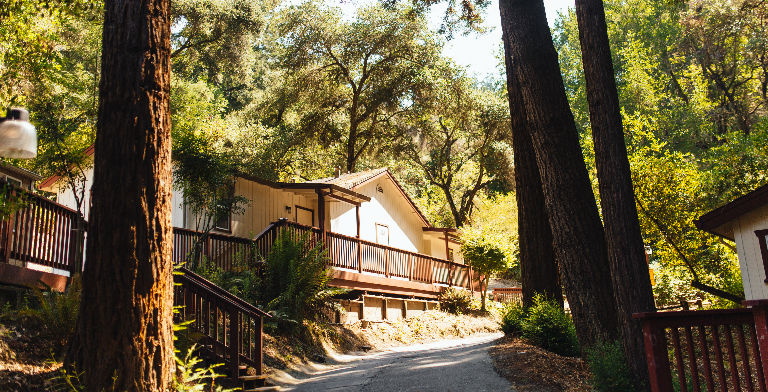
The Camp is staffed by an experienced and expert group of drug rehabilitation professionals, nurses, addiction counselors, and family therapists. Surrounded by the serenity of the majestic redwoods of the Santa Cruz Mountains, The Camp is proud to deliver treatment in a tranquil environment that offers walking trails, basketball courts, tennis courts, volleyball courts, and a large sun-lit swimming pool. The beautiful surroundings at our treatment center, coupled with our nationally accredited and highly structured rehab programs, provides an eclectic, yet evidenced-based approach that offers new beginnings for adults who are struggling with heroin addiction and are in need of recovery from heroin addiction.
The various types of therapeutic interventions that individuals may take part in while engaged in rehab at The Camp Recovery Center include:
Detoxification: When residents arrive at The Camp with heroin or other types of substances in their bodies, they may benefit from going through the detoxification process prior to fully engaging in programming. When deemed appropriate for a resident’s treatment plan, an offsite doctor, commonly located near the Santa Cruz & San Jose areas, will develop and approve an appropriate detox protocol that will be implemented in order to best meet each resident’s specific needs.
Medication management: When residents are battling the symptoms of a co-occurring mental health condition in addition to heroin addiction, they may be referred to meet with a psychiatrist to determine if psychotropic medications would be a beneficial addition to their rehabilitation or treatment plan in order to alleviate their distressing symptoms. When this is the case, residents will continue to meet with the psychiatrist once each week in order to monitor the effects of any medications that are prescribed and to make any adjustments that are needed. Our nursing staff also assists in monitoring residents’ medications.
Individual therapy: Residents engaged in heroin addiction rehab meet with their case managers twice weekly for individual therapy sessions. These sessions are designed to be a time for residents to process through their experiences in treatment, while also addressing any concerns that may arise.
Group therapy: A major component to the heroin addition treatment provided at The Camp lies in the use of group therapy. Residents take part in a number of different groups 7 days per week, while also engaging in process groups 5 days per week. The specific groups that residents can expect to partake in may include:
- Men’s Group
- Women’s Group
- CBT Groups
- Focus Groups
- Detox Groups
- Experiential Group
- Activity Group
- Music / Poetry Groups
Throughout their participation in these various groups, residents will benefit from taking part in discussions on topics that may include, but are not limited to, the following:
- Self-help thinking
- Relapse prevention
- 12-Step Recovery
- SMART Recovery
Family therapy: Residents receiving heroin addiction treatment have the opportunity to participate in family therapy sessions led by marriage and family therapists. Residents and their family members will take part in family therapy sessions twice monthly. These sessions can benefit the family unit as a whole as lines of communication are reopened and negative feelings and emotions that arise due to heroin addiction are confronted, addressed, and healed.
Experiential therapy: In order to provide heroin addiction treatment that is holistic in nature, The Camp offers various types of experiential therapies that typically take place on a weekly basis and participation in various types of games. Additionally, there is time set aside for residents to spend in the gym 6 days per week. Examples of the additional experiential therapies that residents may engage in throughout their time at our treatment center can include:
- Meditation
- Yoga
- Acupuncture
Community meetings: Another major component to the rehab process at The Camp lies in our resident-run community meetings. These community meetings occur every morning, 7 days per week, where residents go over the day’s agenda, do readings, and talk about various issues pertaining to them as a group. We have found that these community meetings are immensely beneficial to residents receiving heroin addiction rehab, as they not only provide them with a sense of independence in running their own meetings, but they also help residents learn to support each other and develop sober relationships that can last once they have left treatment and returned to their communities.
At The Camp Recovery Center, we are dedicated to helping you get back on the road to wellness, freed from the hold that your addiction to heroin had on you. Through the use of highly individualized rehab that is complemented by the utilization of a social model of treatment, the care provided by the compassionate staff at The Camp will help residents spring forward toward the next appropriate step in their level of care.
Knowing that treatment does not end with the completion of residential care, The Camp is pleased to offer intensive outpatient programming (IOP) for adults who are in need of a structured continuing care option once leaving The Camp. Intensive outpatient programming is located convenient to Santa Cruz and San Jose, CA. Our case managers work with all residents to ensure that the discharge process from the residential level of care is a streamlined one and that continuing care services are appropriately lined up so that individuals can enjoy a safe and comfortable transition into life after residential treatment.